Dam Excavation in Cairns
Reliable owner operated earthmoving with modern machinery, sustainable work practices, competitive pricing and personalised service for residential, commercial and rural projects.
100%
Locally Owned
10+
Core Services
18y+
Years Experience
Sustainable Practices
Fully Licensed
Modern Fleet
Free Quotes
Excavating Functional Dams
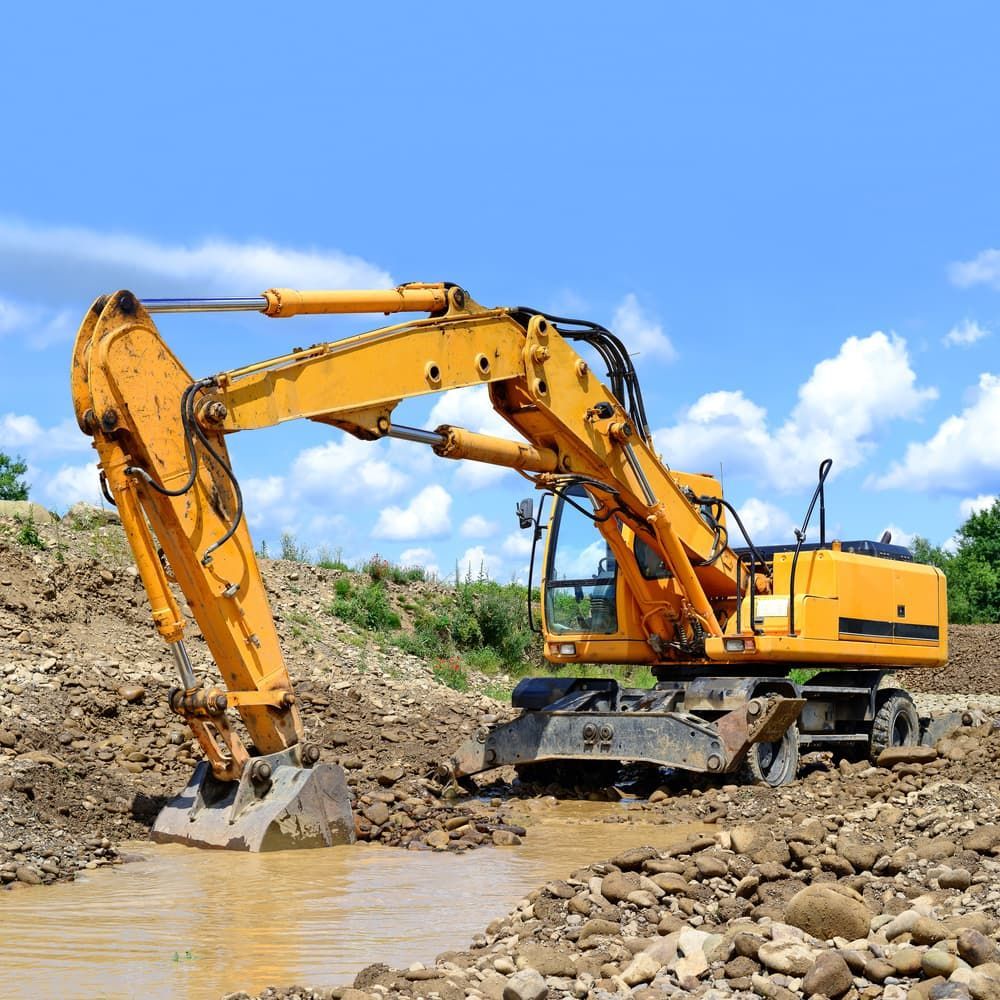
Rhino Excavator & Bobcat Hire provides dam excavation across Cairns, shaping rural and residential land so it can safely hold water and handle changing conditions. Dam excavation benefits from steady planning, and Paul approaches each job by looking at the block, the soil and how water naturally moves across the area.
He uses controlled, even cuts that follow the land’s shape, forming a structure that can settle well once filled. Instead of digging without direction, Paul shapes the depth and sides to suit the dam’s intended purpose, which helps keep the area stable and reduces the chance of future adjustments.
Before work begins, Paul talks clients through the plan and explains how the excavation will be carried out. For dam excavation that supports long term use, call 0428 184 666 to discuss your project.
Frequently Asked Questions
How do I know if my land is suitable for a dam?
Land is usually suitable for a dam when the soil can hold water, the ground is stable and the layout supports safe shaping. Clay based soils are ideal, while sandy or highly porous soils may leak without additional preparation. A gentle slope is useful for forming batters and directing water flow. A site inspection confirms whether the terrain is appropriate.
What affects how deep a dam should be?
Dam depth depends on the intended use, the natural shape of the land and how the water will be stored. Deeper dams hold water longer during dry periods, while shallower dams may suit livestock or smaller properties. Soil strength, erosion risk and local rainfall patterns also influence depth. Proper planning ensures the dam performs well across seasons.
How can erosion be managed around a newly excavated dam?
Erosion can be reduced by forming stable batters, avoiding overly steep walls and ensuring clean, compacted edges. Grasses or ground cover planted around the dam help hold soil in place once the dig is finished. Managing overflow areas and directing water safely during heavy rain also prevents scouring. Good shaping during excavation is the first step in long term erosion control.
Enquire Now
Thank you for contacting Rhino Excavator & Bobcat Hire.
We will get back to you as soon as possible.
Oops, there was an error sending your message.
Please try again later.
Built for Long Term Stability
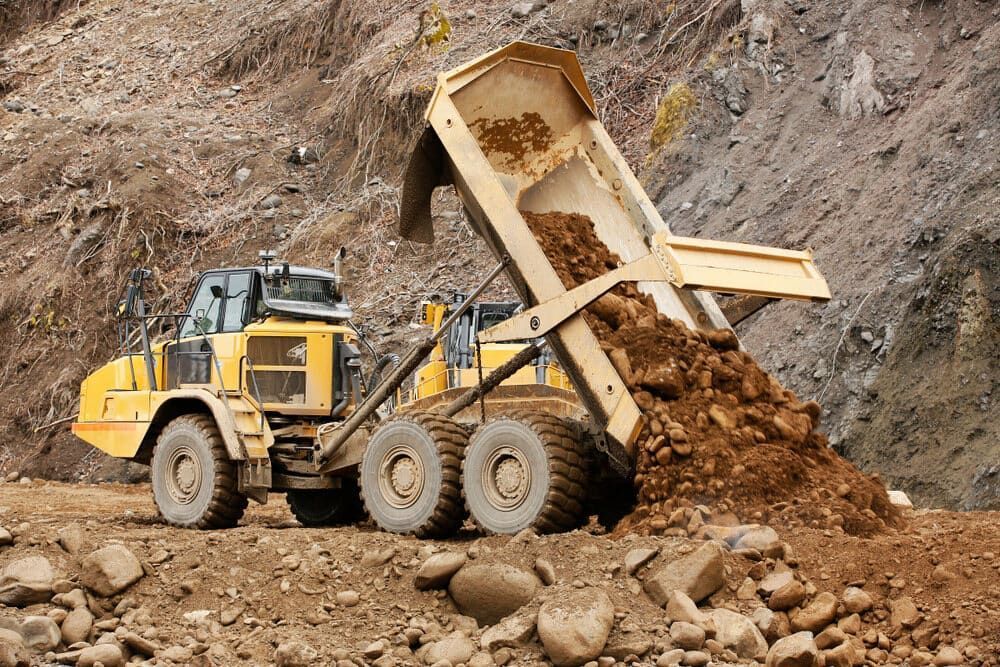
A well formed dam needs balanced shaping so the structure settles naturally once filled. Paul works with the land’s contours, smoothing out weak patches and creating a space that supports steady water movement. His approach helps reduce future shifting and keeps the area stable through changing seasons.
Paul relies on well maintained machinery that handles rural ground conditions, allowing him to shape dams with steady, controlled cuts. He keeps clients informed about the steps involved so they understand how the finished shape supports long term use.
To prepare your land for a dependable dam, get in touch to discuss your plans.


